The Future Of Sustainability In Further Education Hospitality
Gero Turone, Director of Customer Experience at Lolly
Further education hospitality leaders recognise the importance of embedding sustainability when it comes to the sector’s long-term success. A rapidly evolving subject, here we highlight some of the current trends and initiatives.
Sustainability trends in hospitality
Energy efficiency and carbon neutrality:
The Government’s net-zero targets for 2050 are a major driving force behind many of the emerging trends. The UK hospitality industry is moving towards carbon neutrality, with hotels, restaurants, and further education establishments amongst those adopting renewable energy sources, energy-efficient appliances, and lighting, as well as green building practices, through the use of sustainable materials for flooring, worktops, and exterior walls.
Waste reduction:
Reducing food waste has become a real priority, with initiatives like the Waste and Resources Action Programme (WRAP) helping businesses in the hospitality sector cut down on food waste through better inventory management, portion control, and food redistribution schemes.- Sustainable sourcing:
Hospitality providers are increasingly sourcing locally produced, organic, and fair-trade food. This not only reduces overall carbon footprint, but also supports local communities, which is becoming a key selling point for consumers.
Technology integration:
The use of smart technology to monitor and reduce energy usage, automate sustainable practices, and provide personalised customer experiences is on the rise, as hospitality providers recognise the benefits of adoption.
Sustainability in further education
Sustainable campuses:
UK universities and colleges are increasingly designing sustainable campuses. This includes green building designs, energy-efficient facilities, and the use of renewable energy sources.
The University of Bristol has pledged to become carbon neutral by 2030. Recycling over 95% of its waste, having built and refurbished buildings with sustainability in mind.
Curriculum integration:
Sustainability is being integrated into the curriculum across a wide range of subjects. This reflects a broader commitment to preparing students to address sustainability challenges in their future careers. This is an environmentally conscious generation, fully appreciative of the need to adopt a sustainable mindset – today and in the future.
Sustainable operations:
Universities are implementing sustainable operational practices, such as waste reduction programs, sustainable procurement, and green transportation options for students and staff.
Cardiff Metropolitan University, as an example has integrated renewable installations into its campuses, including solar panels and air source heat pumps. They also promote eco-friendly initiatives such as electric chargeable bikes and a subsidized bus service.
AI:
The further education sector is embracing AI in its mission to become more sustainable and using it to promote education for sustainable development and widen access to digital skills.
Key challenges and opportunities
Balancing costs and sustainability:
One of the main challenges is balancing the costs associated with sustainability initiatives with economic viability. While there are long-term savings, the initial investment can be significant.
Student expectations:
As we have seen, there is a growing expectation from both consumers in the hospitality sector and students in the education sector for organisations to take sustainability seriously. This can be a powerful motivator for change.
As with all industries, the sector is heavily influenced by government regulations and policies. Changes in environmental law, carbon taxes, and sustainability incentives will shape future direction.
Where next?
The future of sustainability in the further education hospitality space is promising. The industry is embracing sustainability as a core component for its operations, as well as AI to help accelerate this. Government initiatives and consumer expectations are driving significant changes. The next decade is likely to see further advancements, as the sector strives to meet sustainability goals, in order to respond to the challenges of climate change.
Book a Demo
Please fill in the form, and we'll get back to you promptly with the information you need.
The Future Of Sustainability In Further Education Hospitality
.webp)
Frequently Asked Questions
Related Posts
See all posts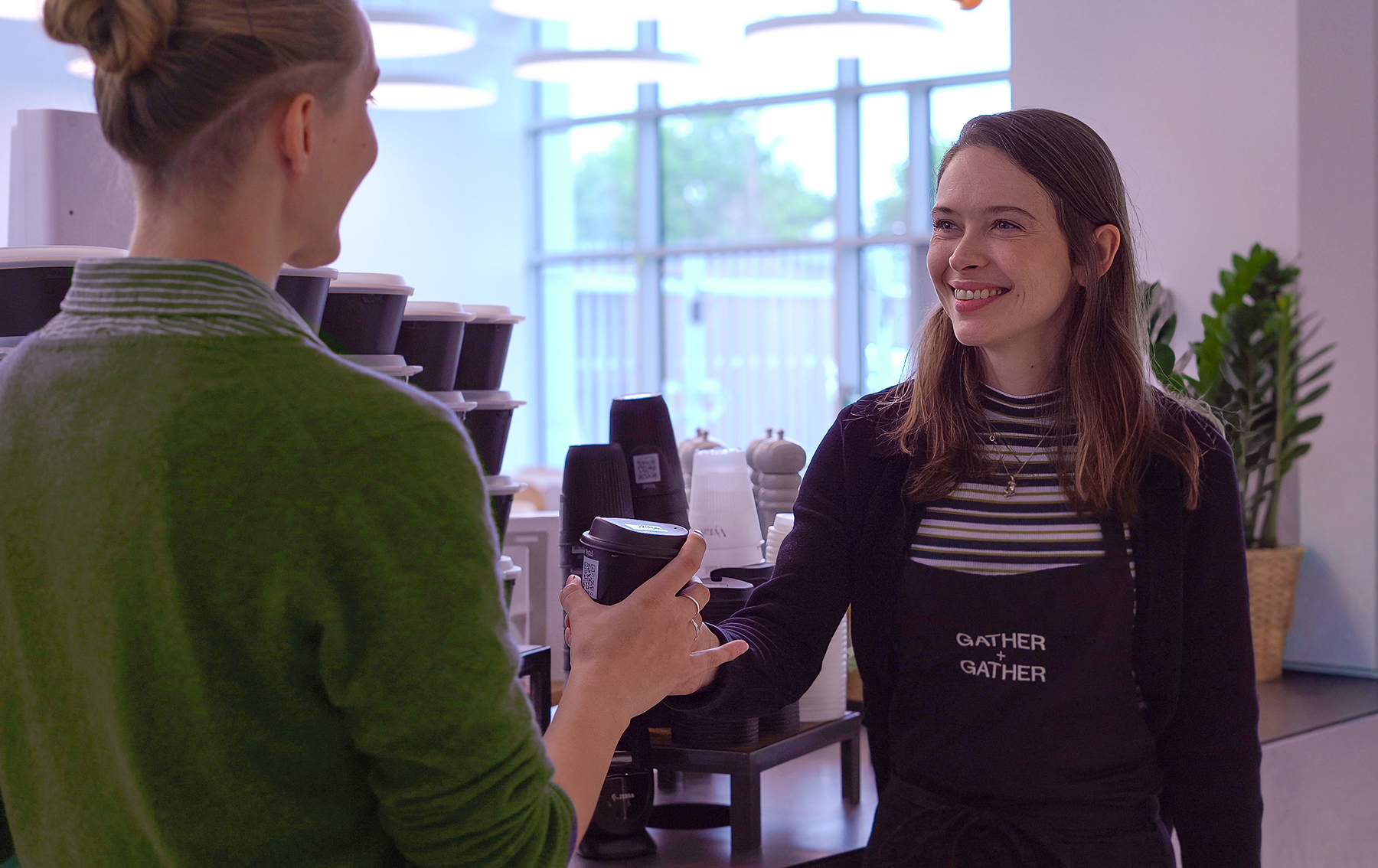
Lolly partners with Gather + Gather and Vytal to launch integrated reusable packaging programme
Lolly has partnered with Gather + Gather and Vytal to launch Loop + Return, the UK's first fully integrated reusable packaging programme for contract catering. By embedding reuse directly into existing EPoS and app technology, the solution removes common barriers such as separate apps, deposits and manual scanning, making sustainable packaging choices simpler for customers and easier for operators to manage. The integration is now available to the wider contract catering sector, helping accelerate reuse adoption across the industry.

AI Is Already Running Your Operation. The Question Is Whether You're in Control.
AI is already influencing staffing, pricing, ordering and customer engagement across hospitality, often without operators realising it. In this article, Peter Moore explores the risks of "black box" AI, why transparency matters, and the practical questions every hospitality business should ask to ensure AI remains accountable, explainable and under human control.

Natasha's Law, Hospitality Business & Kitchen Management
For food businesses across the UK, food labelling has always been an important part of maintaining trust and safety. But following a tragic incident in 2016, the conversation around allergens became much more urgent.
Subscribe to our Newsletter.
Subscribe to our newsletter to get a curated summary of our latest insights delivered to your inbox monthly. No sales pitches, no spam — ever.


