Payment Market Predictions for the Year Ahead
By Peter Moore, CEO of Lolly
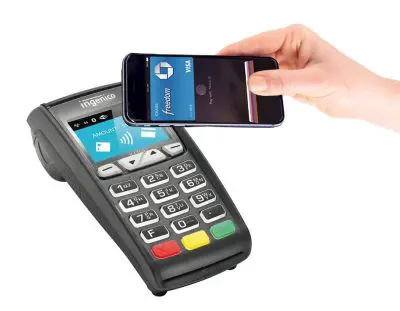
The anticipation and launch of Apple Pay was one of the most prominent payment stories in the media this year. However, as with contactless technology in its early stages, actual adoption trends have not yet caught up with the intense media hype.
Evolving Payment Schemes and Interchange Caps
This year’s cap on interchange charges for processing card transactions helped protect merchants and consumers in the short term, but it has translated into shrinking margins for banks. Moore believes it is only a matter of time until banks find new ways of profiting from payment schemes—likely by charging consumers fees for card and e-wallet services.
As this balance redresses, we may see a temporary rise in cash payments. However, big players in the e-wallet industry are expected to rise to the occasion, especially those specializing in direct-to-bank transactions.
2016: The Year of the E-Wallet and Big Data
While smartphone transactions are on the up, 2016 is the year these offerings will truly take off through the power of data. The real value of e-wallet apps lies in the information they link to. Retailers will tap into this wealth of data to build better relationships with customers through:
- Personalized promotions based on buying history.
- On-the-spot loyalty offers delivered at the point of sale.
- Health and safety alerts, such as notifying a customer with a nut allergy at the till if they are purchasing a product containing allergens.
While the technology for this level of sharing exists today, the industry must still navigate political and consumer safety hurdles regarding data privacy. However, Moore predicts that the benefits to the consumer will outweigh the risks, leading to a surge in data-driven transactions in the latter half of 2016.
Integrating Apps with EPoS via Bi-Modal IT
Thanks to the proliferation of the Cloud, we are now more capable than ever of building flexible systems without sacrificing security. Next year, more retailers and hospitality providers will adopt bi-modal IT. This approach enables a secure, robust "back-end" to keep systems running safely while working alongside agile, flexible front-end systems.
This combined approach allows vendors to integrate EPoS technology with third-party and in-store apps, providing a more interactive experience:
- Interactive Ordering: Using smartphone apps for dynamic food order forms rather than static menus.
- Traffic Visibility: Obtaining better data on footfall to balance staffing levels against busiest times.
- Location-Based Tech: Supporting iBeacons to alert consumers to relevant offers as they approach specific displays.
Conclusion
Technology will continue to power innovation in the payments sector throughout 2016 and beyond. We expect to see disparate systems working together more closely to improve efficiency, enhance the customer experience, and create new opportunities for vendors.