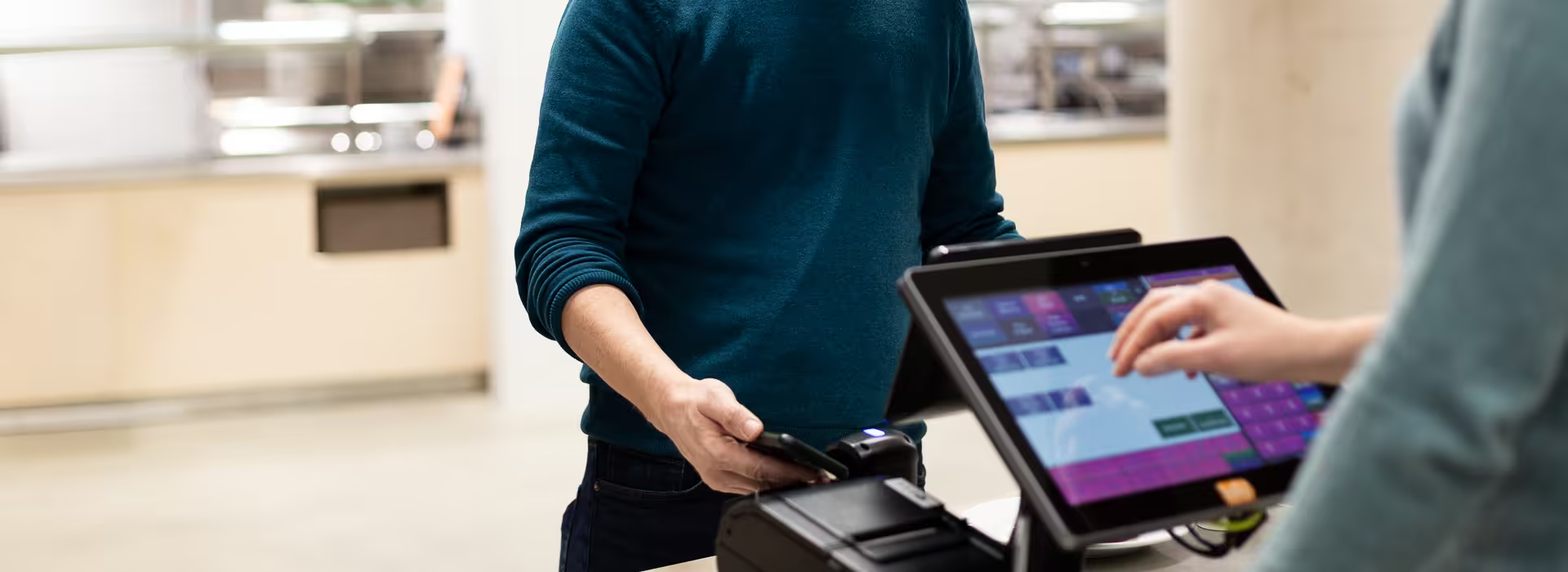
During peak service in a high-volume entertainment venue, every second counts. Kiosks are taking continuous orders, counter staff are under pressure and the kitchen is working at full capacity. When these systems are disconnected, delays appear instantly: duplicate orders, missing tickets, mismatched items and teams shouting across sections to recover errors. With National Living Wage increases pushing labour costs higher, operators must maximise output per labour hour. An integrated EPOS, kiosk and kitchen display environment removes friction, keeps orders flowing and provides the unified operational engine today’s venues rely on.
How Does a Modern Hospitality Venue Map the Full Order Journey?
A modern order journey begins at the self-serve, kiosk or counter. The EPoS records the transaction immediately, pushing the order straight to the kitchen display system without delay. Production begins instantly,and completed orders feedback into a unified reporting view. This connected workflow removes manual checks, duplicate data entry and communication gaps between front and back of house. With integrated systems, the entire journey becomes predictable, consistent and ready to handle peak demand.
How Can Manual Re-Keying Be Eliminated?
Re-entering orders into the kitchen or a separate system creates unnecessary risk. Even small errors- missing modifiers, swapped sides, incorrect quantities- accumulate cost and slow production. Manual re-keying can add 10 to 20 seconds per transaction, which becomes significant in high volume environments. By integrating kiosks, EPoS and Kitchen Display Screens, order information flows once and accurately, eliminating wasted effort and giving teams more time to focus on service and speed.
How Does Real Time Ticket Routing and Prioritisation Improve Kitchen Workflow?
Integrated routing ensures the kitchen receives clear, prioritised tickets based on order type. Dine in, takeaway and delivery can follow different preparation paths, helping chefs manage workloads during busy periods. Intelligent sequencing also prevents bottlenecks and smooths the flow of production, especially in QSR environments where volume spikes are common. Because routing is driven directly from the EPoS and self-serve kiosk data, the kitchen always knows what to prepare next without guesswork or manual intervention.
How Can Integrated Systems Improve Labour Efficiency and Throughput?
With UK labour costs under pressure, operators must look closely at efficiency per hour worked. Integrated systems save time on every transaction by removing re-keying, manual checks and paper-based workflows. These seconds compound into meaningful weekly gains, allowing teams to process more orders with the same staffing levels. By modelling saved time across busy sessions, operators can quantify the throughput improvement and understand how unified technology directly supports service speed and labour productivity.
How Does Data Continuity Support Unified Reporting and Better Decision Making?
When kiosks, EPoS and digital signage sit within one ecosystem, all operational data flows into a single reporting environment. This continuity enables accurate reporting, faster identification of bottlenecks and clearer insight into preparation times and kitchen load. Operators can track how menu changes impact sales performance, compare best-seller trends across sites and understand how well each channel is performing. Unified reporting within Lolly HQ creates reliable insight that disconnected systems simply cannot provide.
The Risks of Relying on Bolt On Integration
Bolt on integrations often introduce latency, mismatched data and fragmented support responsibilities. When multiple third parties connect loosely rather than natively, operators face the risk of systems blaming each other when something fails. Over time, as each product updates independently, integrations can drift or break entirely. Native integration within the Lolly ecosystem avoids this complexity. Data flows instantly, support sits with one provider and operators gain a cohesive, future ready foundation rather than a stitched together stack.
What Are Operators Saying About Lolly’s Integrated Kiosk, EPOS and Kitchen Display Systems?
Operators who adopt integrated kiosks, EPOS and kitchen display systems often describe the same shift. The moment the platforms start working together, service flow becomes smoother, errors reduce and teams gain the confidence that orders are moving through the system exactly as intended.
Removing manual steps and joining the order journey end to end creates a far more predictable operation, especially during peak trading.
One multi site operator captured this improvement clearly; "We trialled other providers before Lolly- some looked great on paper but didn’t work in practice. Lolly has proven to be flexible, fast and incredibly easy to work with. They get food and beverage. And they’re helping us stay ahead." -Sandpiper representative.
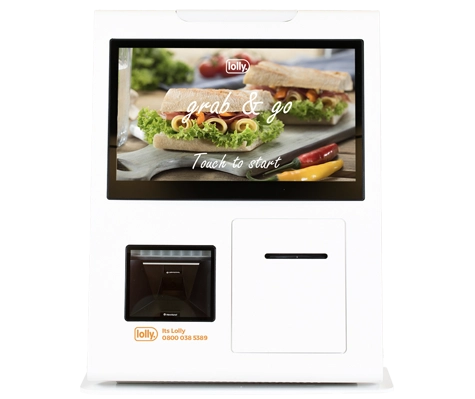
Their experience reflects a common theme across busy venues. Fully integrated systems allow kitchens to work at pace, kiosks to maintain accuracy and front of house teams to stay focused on guests rather than recovering mistakes. For operators managing high throughput environments, this unified approach becomes essential to maintaining speed and consistency.
What Is the Operational Impact of Full Integration?
For modern hospitality, system integration is not a nice to have- it is the source of operational momentum. When self-serve kiosks, EPOS and kitchen displays work in sync, teams move faster, errors fall and service becomes more resilient under pressure. A unified ecosystem allows operators to maximise throughput, reduce labour friction and maintain consistency across every channel. Lolly delivers this cohesive environment, purpose built for UK venues facing high demand, rising wage costs and the need for dependable, scalable operations.


