The Science of the Squeeze: How 7 Seconds Impacts Your Bottom Line
Queuing is more scientific than most retailers realise. According to a study by researchers at University College London, the British public’s willingness to wait is governed by a strict "Rule of Six."
The Rule of Six: A Summary
- The 6-Minute Threshold: People will wait an average of six minutes before frustration kicks in and they give up.
- The Satisfaction Drop: At 5 minutes and 54 seconds, satisfaction is at 95%. Just six seconds later, as it hits the 6-minute mark, satisfaction plummets to 55%.
- The Social Buffer: Interestingly, a person's resolve to stay in line increases if there are six or more people behind them.
- Personal Space: A six-inch radius of personal space significantly reduces stress and anxiety for the customer.
The 7-Second Advantage
Data from the UK Cards Association reveals that a contactless payment is exactly seven seconds faster than a traditional card payment.
In the high-stakes window of the 6-minute threshold, those seven seconds are the difference between a satisfied customer and a lost sale.
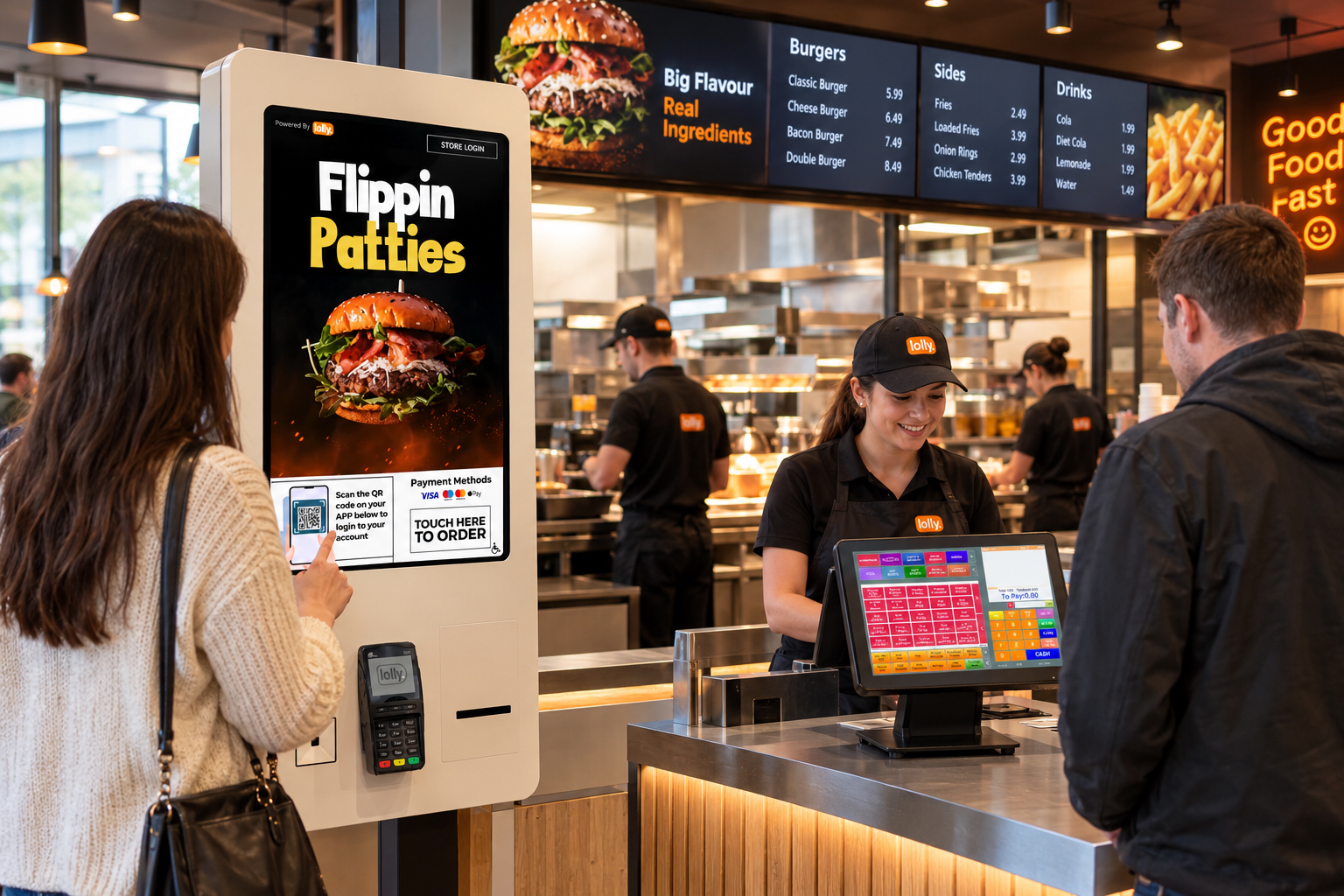
[Image showing a comparison between a slow traditional card transaction and a fast contactless tap]
The Math: What is 7 Seconds Worth?
If you serve 150 customers during a busy period, saving seven seconds per transaction gains you 17.5 minutes of extra service time.
Based on the London average lunchtime spend of £6.60, capturing that extra time allows you to:
- Serve an additional 15 customers per day.
- Increase revenue by nearly £700 per week.
- Boost your monthly bottom line by £3,000.
Can You Afford to Wait?
Contactless spending grew by 222% in 2016, with the food and drink sector accounting for £114bn in transactions. As society moves toward a "tap-and-go" default, speed is no longer just a luxury - it is a requirement for repeat business.
Upgrade Your Speed
To understand how integrated contactless payments can transform your service speed, contact us:
- Phone: 0800 038 5389
- Email: sales@itslolly.com
.jpg)