-Peter Moore, CEO, Lolly
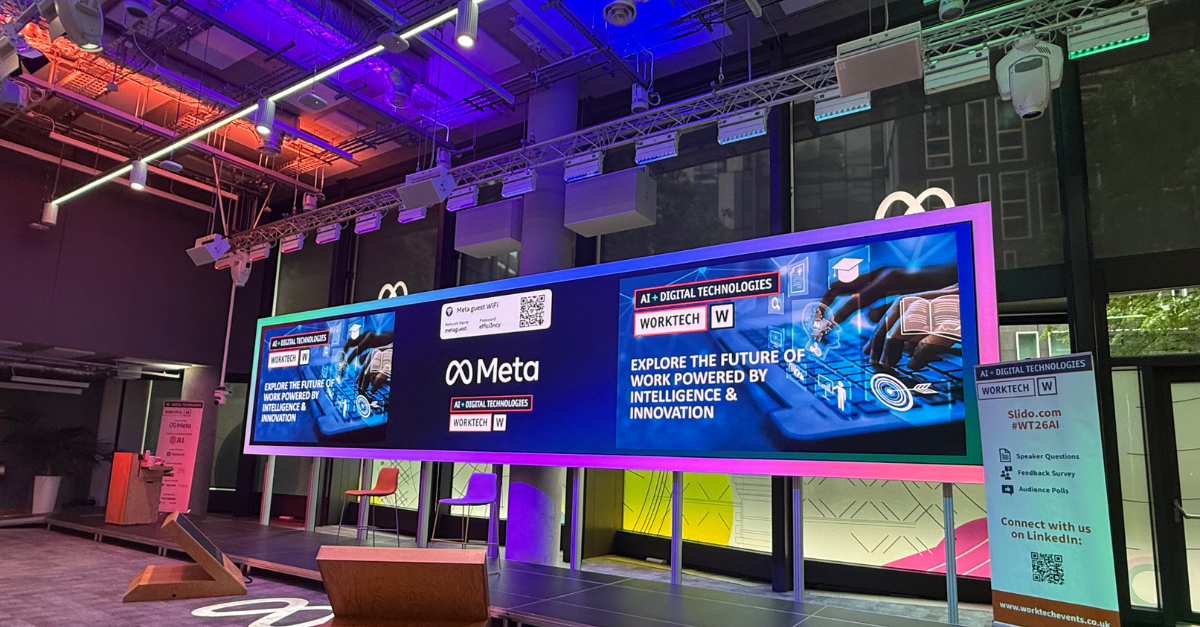
I recently had the opportunity to chair a fascinating discussion at Meta HQ on the future of AI, work and the workplace alongside leaders from Meta, HSBC, FORA and BCG.
What struck me most wasn't simply the types of new technology we are seeing. As someone who has spent their entire career in technology, I expected to hear about rapid advances in AI. What surprised me was the sheer pace of change and how quickly workplace expectations are evolving alongside.
One of the strongest themes to emerge from the discussion was that there is no longer a single workplace experience.
Today's organisations are supporting multiple generations simultaneously, each with different expectations of technology, different ways of learning and varying levels of comfort with AI.
Some employees are embracing AI as a natural extension of how they work. Others remain cautious. Interestingly though, there are also plenty of exceptions to the stereotype rule. We discussed examples of employees who many of their colleagues would assume they would resist AI, when – in fact – they have become some of its most enthusiastic adopters.
What became clear is that AI is no longer something happening on the horizon. It is becoming part of everyday working life. And as may commentators have observed, the organisations that thrive will not necessarily be those deploying the most technology. They will be the ones that successfully help people adapt to it.
AI is already enabling more flexible workplaces, more personalised experiences and new ways of working. However, technology alone is not enough. Businesses need to think carefully about how different groups engage with change and how they create environments where people can learn, adapt and build confidence in this new world.
Across sectors, we are seeing organisations ask many of the same questions. How do we introduce AI responsibly? How do we balance automation with human interaction? How do we ensure technology supports rather than overwhelms employees?
The future workplace will belong to organisations that understand both technology and human behaviour. AI may be transforming work, but people remain at the centre of that transformation.


