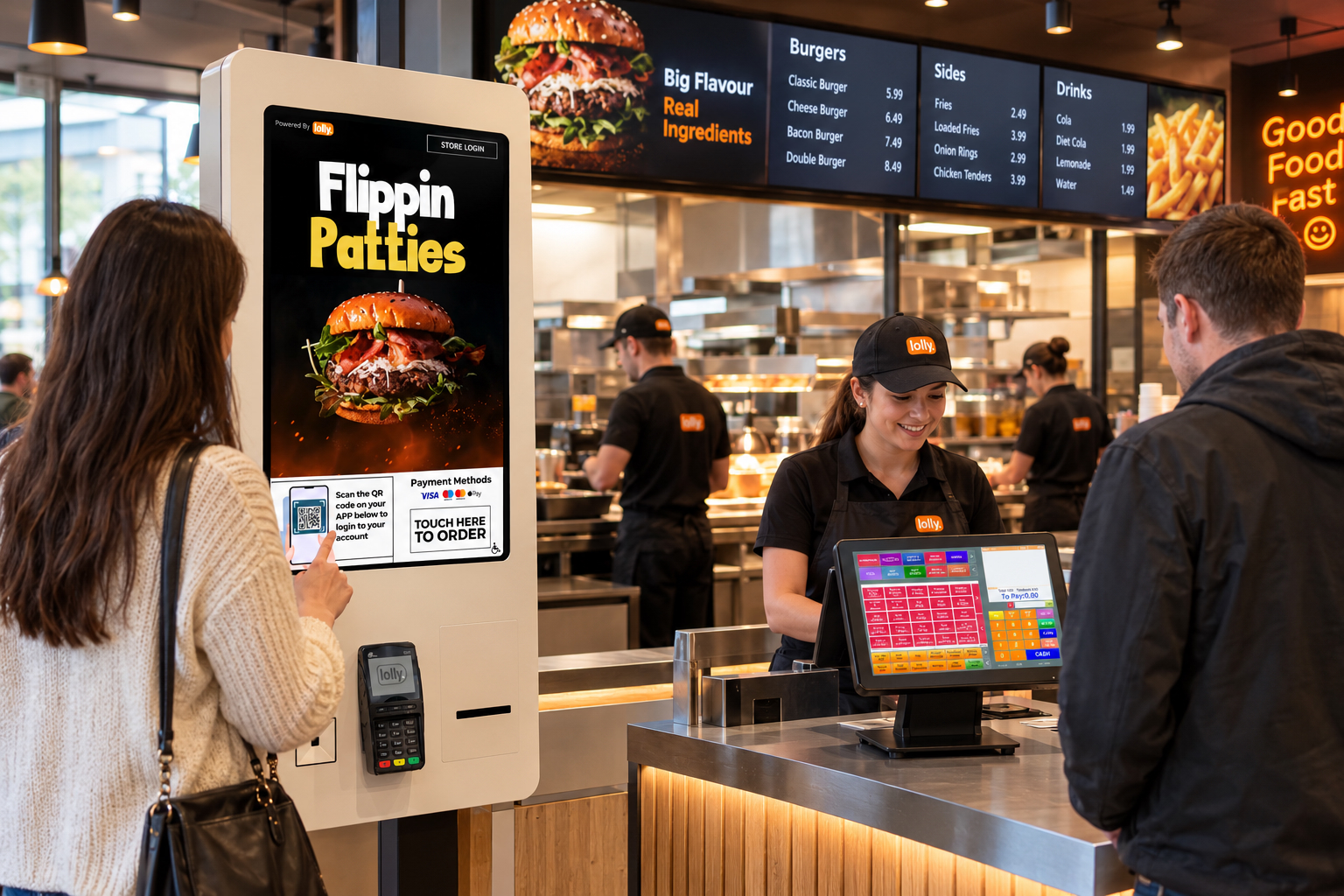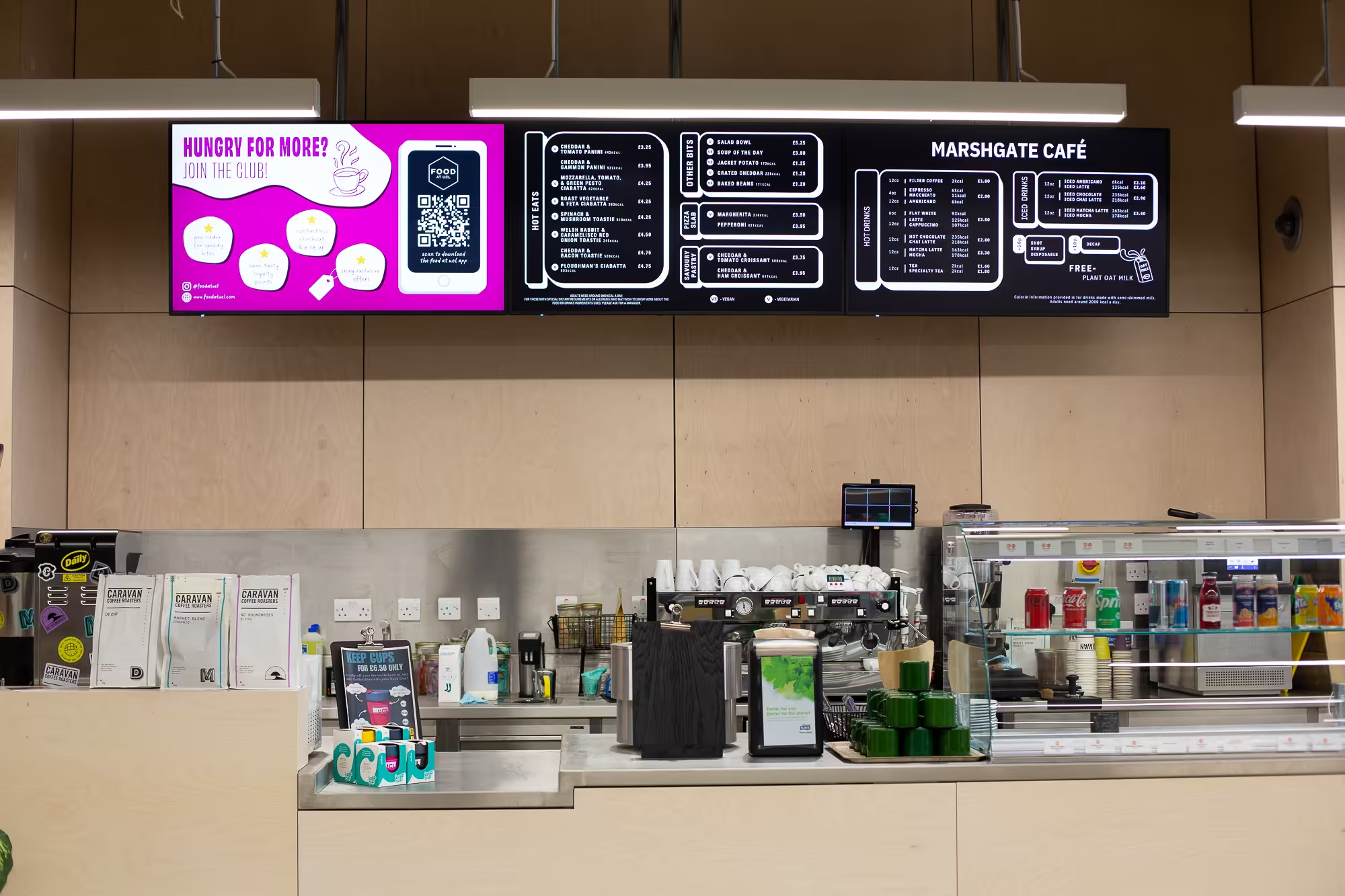
In today’s hospitality landscape, operational pressures can shift overnight. In a multi-site quick-service chain, reacting to sudden supplier increases and updating menu boards is crucial. In many cases, teams still rely on manual changes, often creating uneven pricing across sites and missed updates.
Digital signage can therefore no longer be treated as a marketing extra. When centrally managed and properly integrated, it becomes an operational governance tool. It gives operators control, consistency and confidence that what their customers are seeing is correct- everywhere at all times.
What ‘Managed’ Should Actually Mean in UK Hospitality.
The term ‘managed digital signage' is often used loosely but, in practice, there is a clear difference between a provider that simply supplies screens, and one that delivers a fully managed service. Screen supply covers the basics: hardware is purchased or leased, installed on-site and handed over to the operator. From that point onward, responsibility sits with the business, from content uploads to troubleshooting and maintenance- a hardware transaction rather than an operational service.
A fully managed solution goes much further. This takes ownership of the entire lifecycle, from selecting the right commercial grade hardware to configuring the content management system and providing ongoing monitoring. The provider manages remote updates so pricing and promotions can change instantly across every site without local intervention. Performance monitoring ensures screens and network connections are checked continually, with issues resolved before they disrupt trade.
This time managed service is governed by structured service-level agreements that define response times. For operators juggling multi-site complexity, this takes digital signage out of the ‘to do’ list and embeds it as a reliable, centrally controlled part of their operation.
Centralised Menu and Pricing Governance
For multi-site operators, menu and pricing control is one of the most difficult areas to manage consistently. Lolly supported head-office teams by giving them central authority over pricing, VAT adjustments and promotional content, which ensures every site displays accurate and compliant information at all times. Changes are made once in the platform, and are pushed instantly to every connected screen, removing the delays and manual effort that often lead to mismatched pricing.
This centralised model is particularly valuable when VAT or supplier costs shift. Head-office can update an item price or VAT rule in a single action, and know the adjustment is reflected everywhere the moment it is published. This also simplifies promotional planning by allowing seasonal offers, time-based discounts or regional variations to be scheduled and released without site-level involvement.
Real-Time EPOS Data Synchronisation
The Lolly ecosystem allows direct integration between EOpS and digital signage, meaning pricing and product availability set within Lolly EPoS flows automatically to the screens. This removes a common operational risk in hospitality where screens are updated manually while till prices follow a separate timetable.
This real-time synchronisation protects both compliance and margin. If a product is marked as unavailable at the till, it can disappear from the menu board instantly, improving customer flow. This also strengthens regulatory compliance by ensuring displayed prices and allergen information match what the EPoS holds. By linking digital signage directly to EPOS data, Lolly removes that uncertainty and gives operators full confidence that every site is trading with accurate information.
Proactive Monitoring & Uptime Assurance
Operational resilience in hospitality depends on technology that works reliably without on-site intervention. Lolly supports this through proactive monitoring and remote diagnostics that give head-office full visibility. The system continually checks device status and connectivity, which means that issues are identified before they interfere with service.
By removing dependence on local fixes and ensuring issues are addressed before they reach the shop floor, Lolly enhances operational resilience and keeps digital signage functioning as a dependable part of the trading environment.
Compliance, Transparency & UK Legislative Considerations
For UK hospitality operators, digital signage now sits firmly within the compliance landscape. Natasha’s law places clear responsibility on businesses to provide accurate allergen information at the point of choice. While this primarily relates to prepacked foods, the spirit of the legislation has raised expectations across the sector, making clarity on screens and menus a fundamental customer safety requirement. Operators can strengthen their approach by following Food Standards Agency allergen guidance and checking updates through UK Hospitality resources.
It is the operator’s responsibility to enter allergen, calorie and CO2 information for products into the system, which will then flag details as necessary when customers provide their preferences.
Price accuracy is another important obligation. Trading Standards expects displayed prices to match the amount charged at the till, which means any gap between signage and EPoS creates both compliance risk and customer friction. Automated updates and unified control help ensure customers are shown the correct information every time.
HFSS rules add an additional layer, especially for multi site brands running promotions. Restrictions on the placement and promotion of high fat, sugar or salt products make it essential that scheduled offers, imagery and menu layouts stay consistent with the regulations.
Although compliance is the primary driver, accuracy on screen also supports brand protection. When customers trust that pricing and allergen details are correct, operators build credibility and reduce the likelihood of disputes or complaints.
The Hidden Risks of Non Managed Signage
Operators using a mix of different digital signage systems often face hidden problems. Separate platforms with separate processes create inconsistency, leading to some sites updating quickly while others display old prices or expired offers. Local control only increases the chances of mismatched information. Manual updates add further risk, as busy staff can make mistakes with content or pricing. This results in an uneven customer experience and weakens confidence that information is accurate across all locations.
There are also financial impacts to using non-managed signage. Incorrect or slow price changes can reduce margins, and without central oversight operators cannot easily see what is on screen at each site, making reporting and auditing difficult.
A managed approach solves these issues by unifying platforms, automating updates and ensuring every site reflects central decisions. This improves both operational consistency and financial performance.
Why Managed Signage Now Matters More Than Ever
Managed digital signage has become far more than a visual upgrade. For multi-site operators, it is now an essential part of operational discipline, linking pricing, allergen information and promotional content to a single source of truth. When screens, EPOS and back office systems share the same data, businesses gain consistency, accuracy and confidence across every branch. This cohesion reduces manual effort, protects margins and strengthens compliance, all while giving customers clearer and more reliable information at the point of choice.
As technology plays an increasingly central role in hospitality, operators benefit from platforms that work together rather than standalone tools that need continual management. For those reviewing their digital estate, exploring how Lolly’s integrated approach supports governance, efficiency and future growth can be a useful next step.